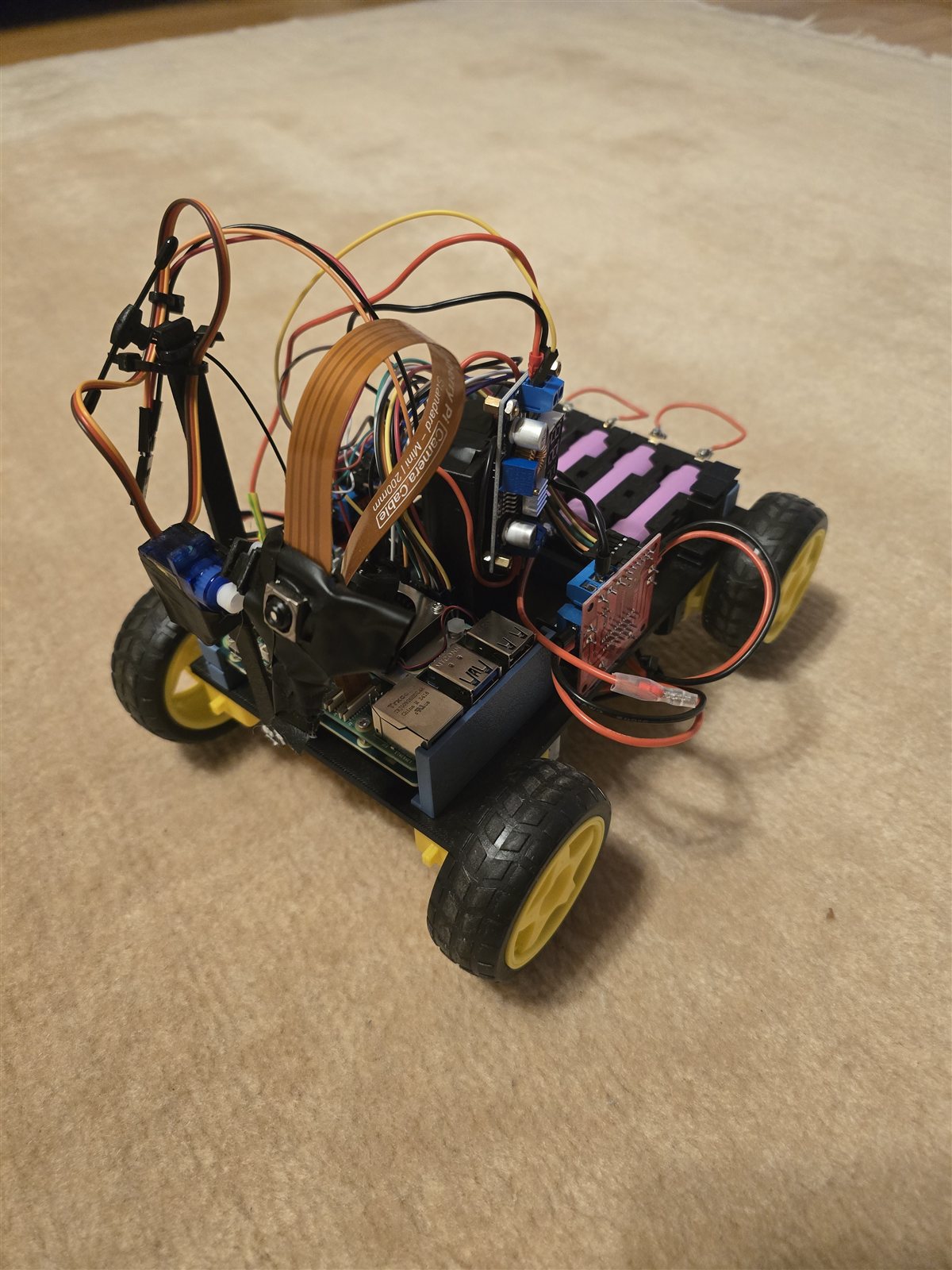
Autonomous car built on a RPi 5 and Hailo-8L AI accelerator, combining real-time object detection and monocular depth estimation to enable obstacle-aware navigation and person-following without dedicated distance sensors.
C++, RPi5 & Hailo AI Accelerator, YoloV8, Depth Anything V2
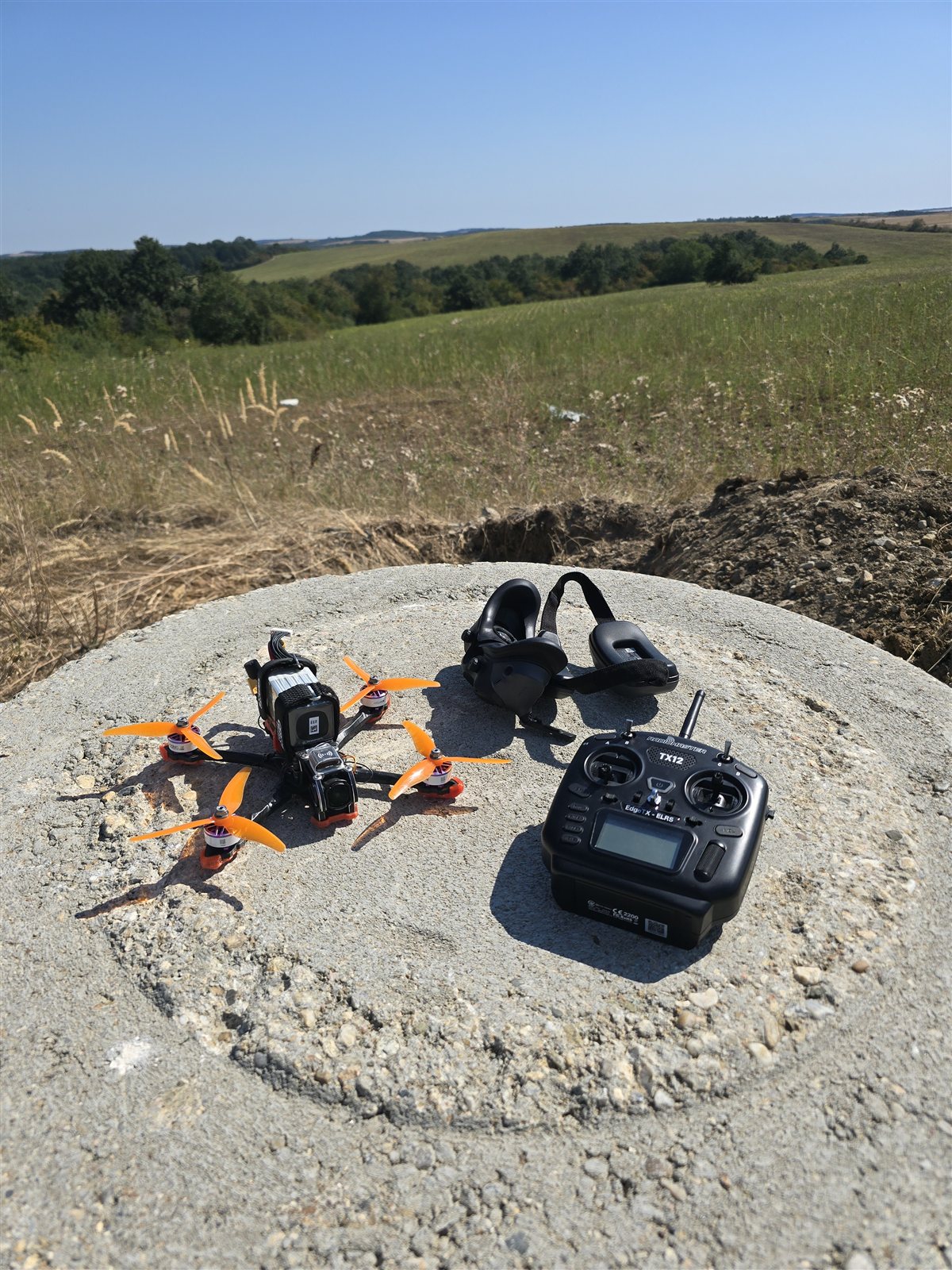
Built an FPV drone from scratch, flashing and configuring Betaflight, ELRS, and the video system. Improved flight performance through blackbox data logging and PID analysis. Additionally, flashed, configured, and PID-tuned ArduPilot to enable GPS-based autonomous waypoint navigation for preplanned missions.
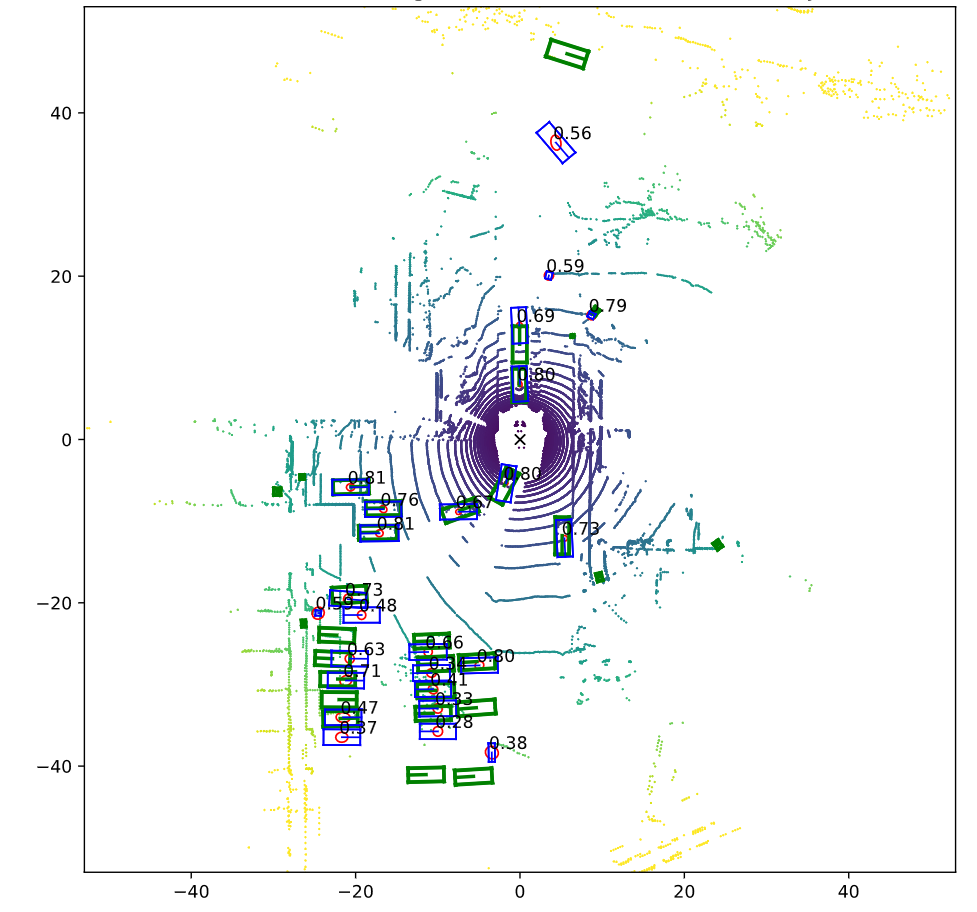
Analyzed uncertainty estimation in transformer-based 3D object detectors using LiDAR, radar and camera data, evaluating baseline methods against calibration techniques to improve reliability without high computational cost.
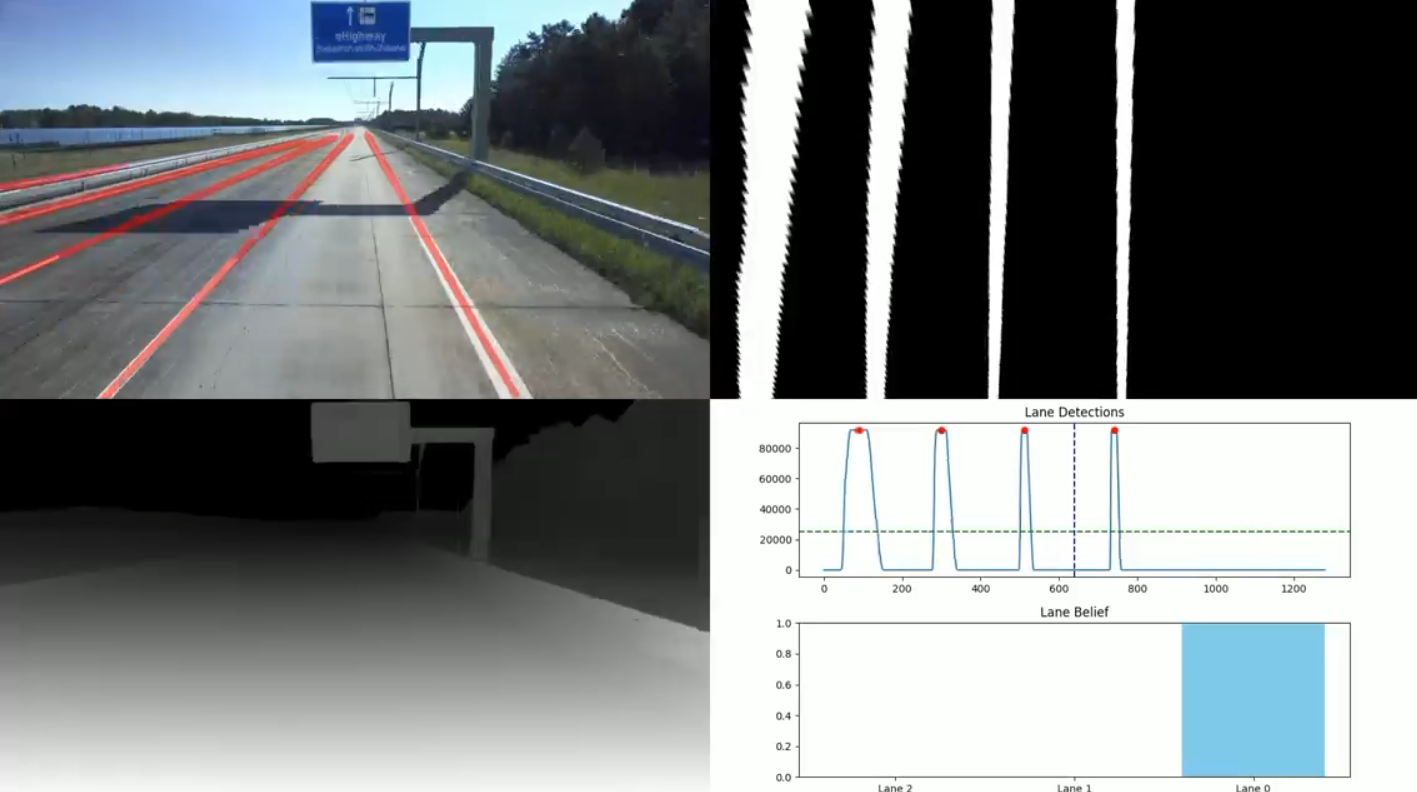
The YOLOPv2 model was used for lane line segmentation, IPM was applied to modify the perspective of the image to a Bird's Eye View perspective, and Bayesian Filtering was used to keep the lane localization and assignment algorithm stable.
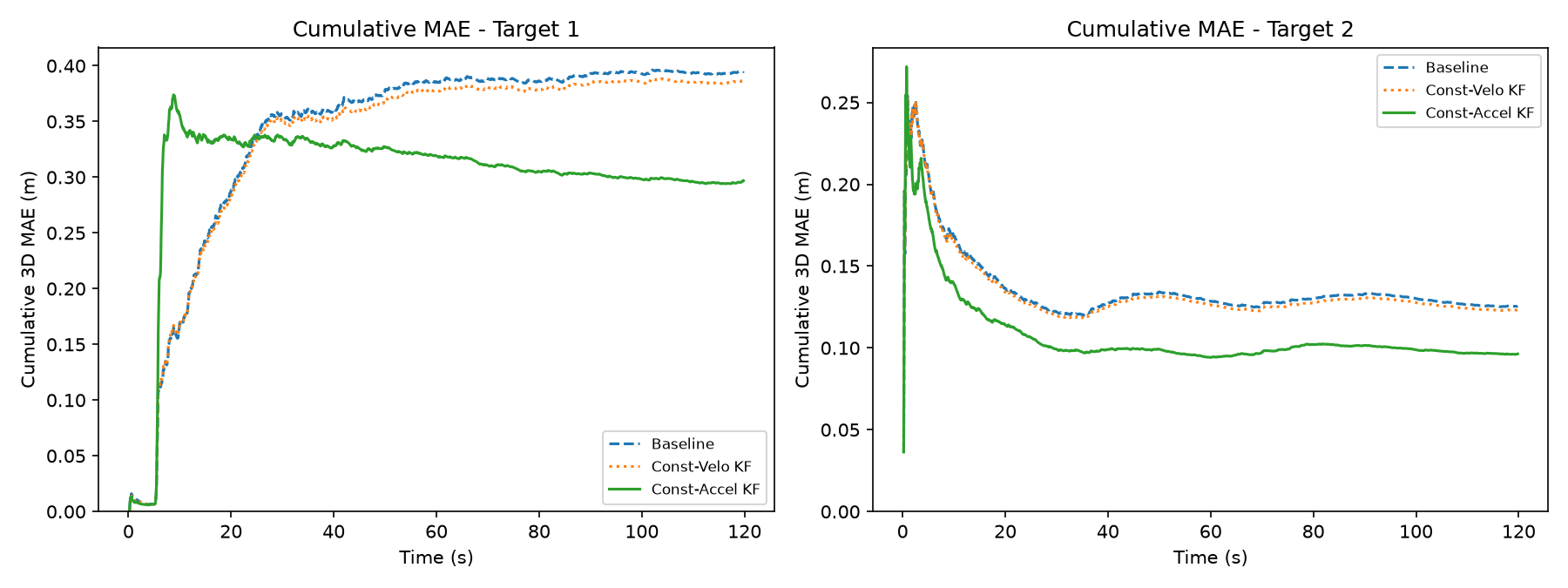
Implemented constant velocity and constant acceleration Kalman filters for 3D position estimation and compared both against a baseline on two datasets using mean Euclidean position error.
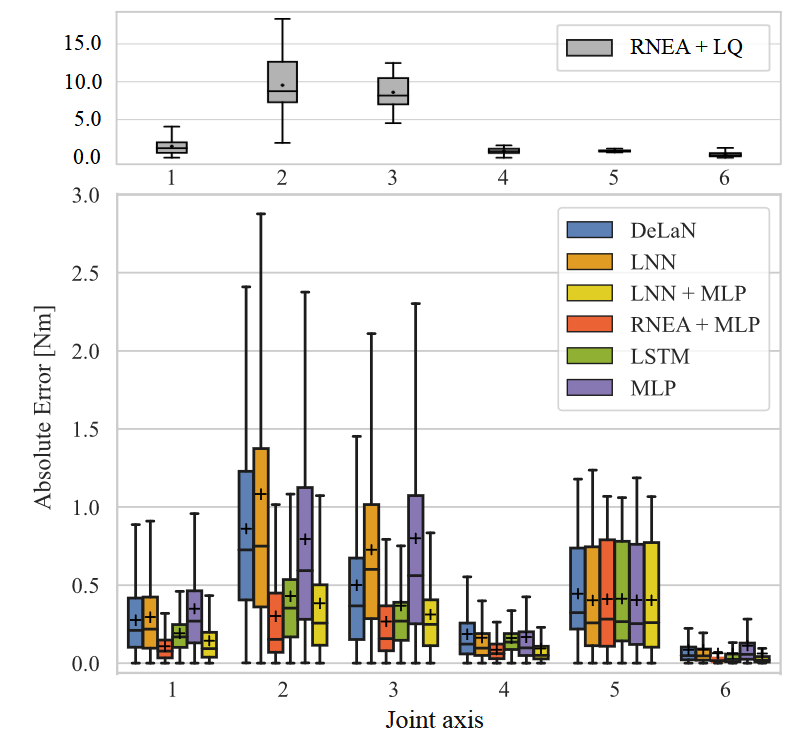
Developed, trained, tested and compared several neural network architectures for predicting torque in robot joints of a 6-axis industrial robot using the position, velocity and acceleration of the joint as input data.
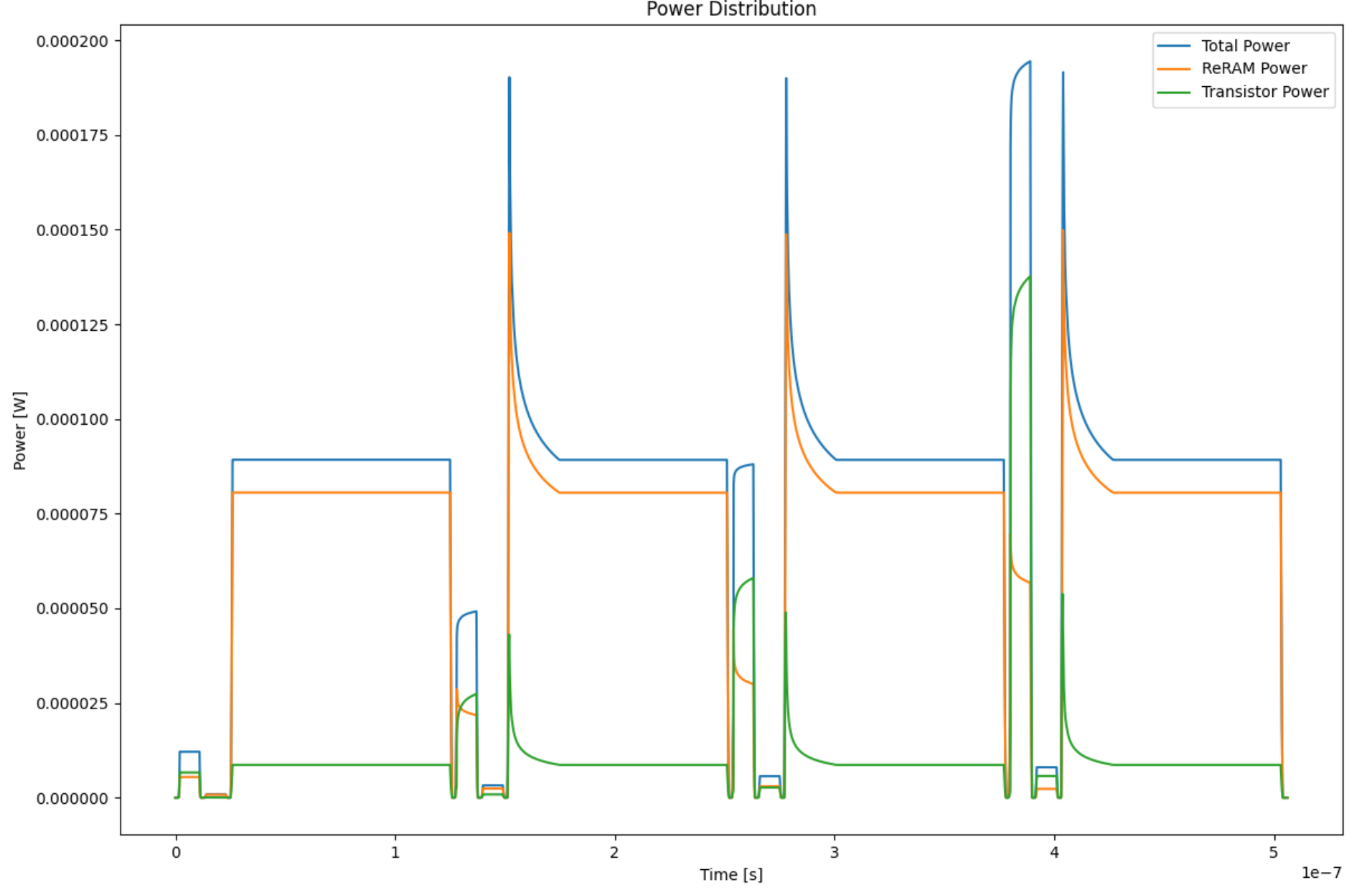
Built and studied a memristor-based matrix-vector multiplication engine for in-memory computing and compared efficiency, accuracy and resource use to the classical Von Neumann approaches.
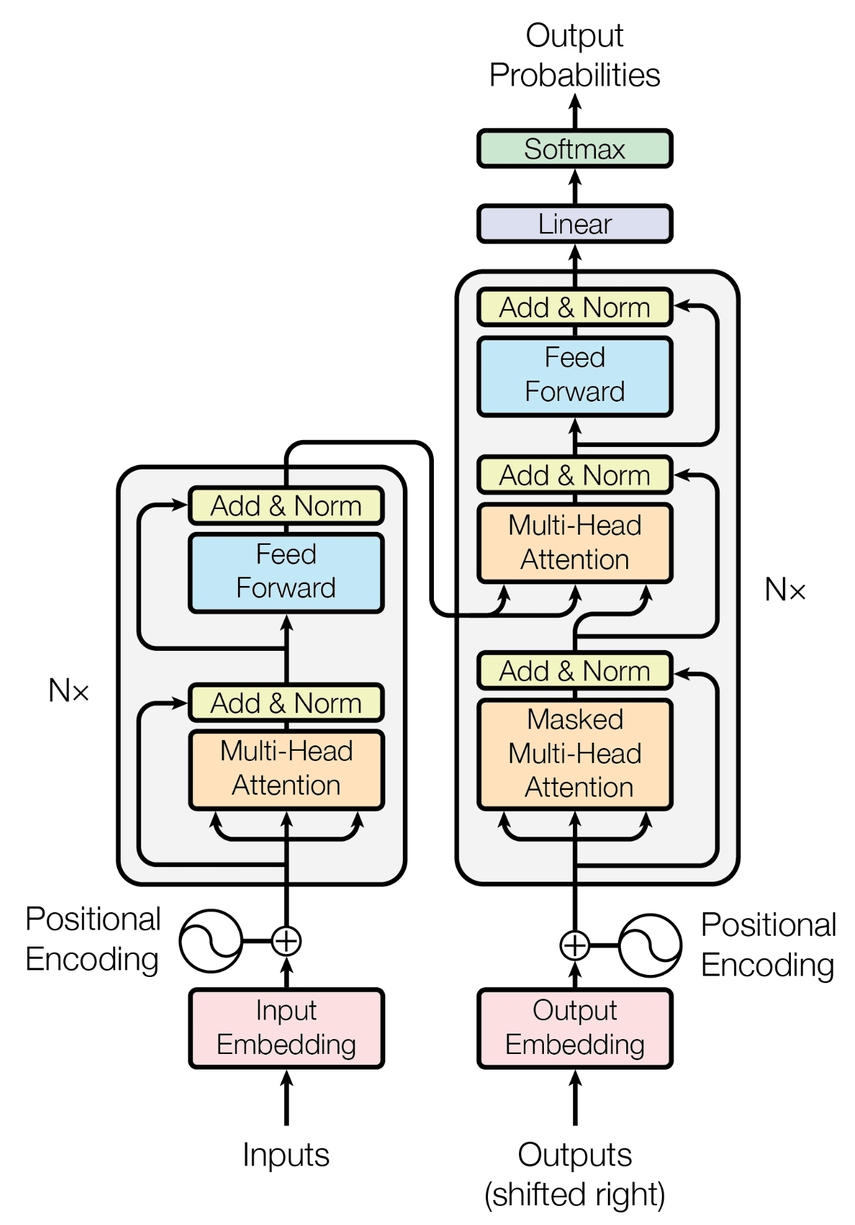
Reimplemented the GPT 1 & 2 architectures from the original OpenAI paper. Trained and tested the models on the Shakespeare and Game of Thrones dataset, in order to let the models produce such-styled content. Similarly, a SIEM query LLM generator was implemented and trained.
Investigated why CNNs tend to recognize objects by texture rather than shape, and presented two transformer-based methods to reduce this bias and improve accuracy.